1.0
Introduction
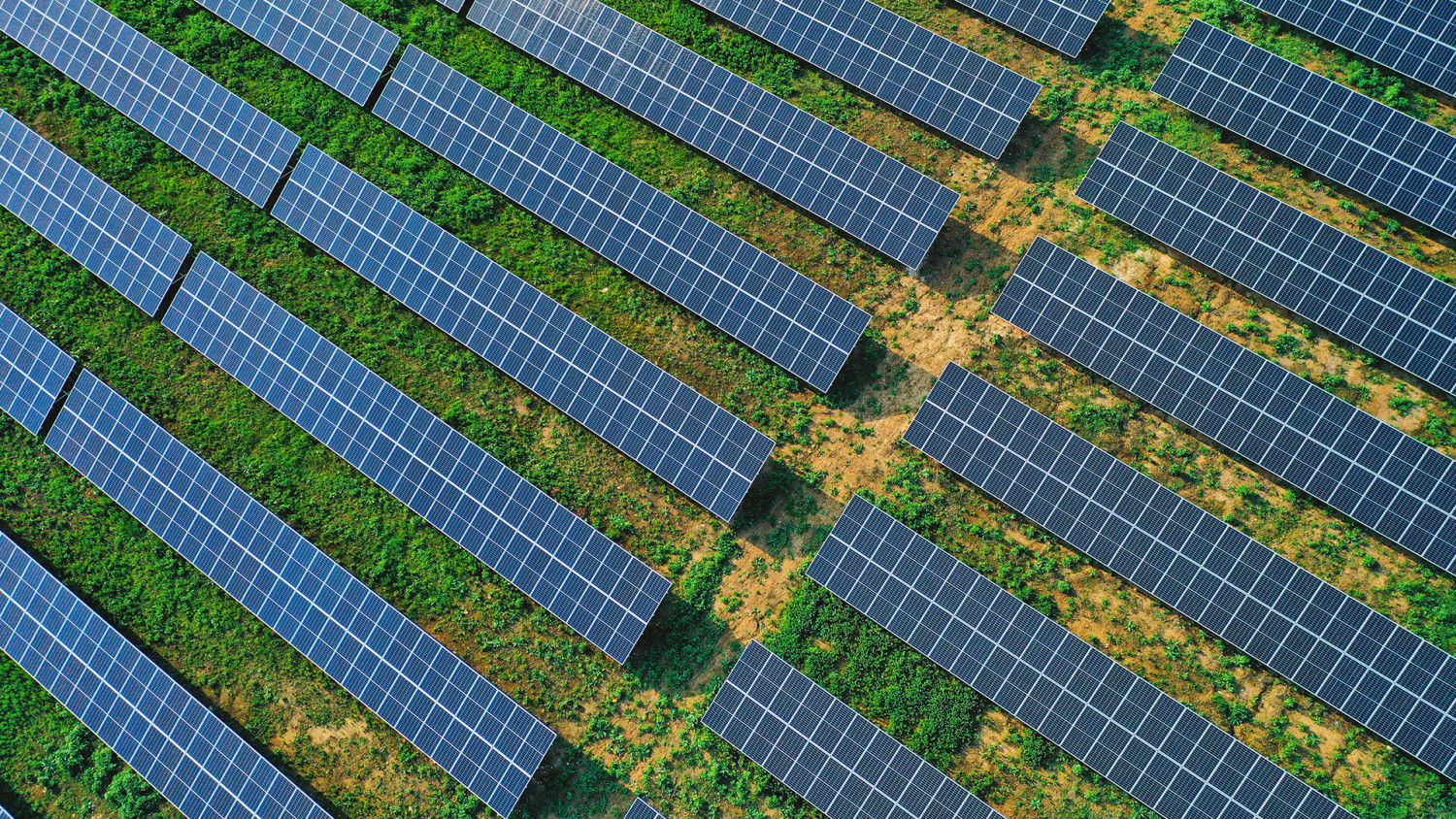
The energy sector is becoming increasingly complex, driven by the transition to renewable sources and the digitalization of critical infrastructure. In this context, operational clarity is essential. When data, processes, and decision-making are well integrated, grids become more stable, losses decrease, and the energy transition can move forward faster and more safely.
2.0
Challenges we address
Energy systems operate with large data volumes, distributed infrastructure, and real-time, high-impact decisions. Limited integration and visibility affect grid stability, cost control, and the ability to absorb renewable energy sources. AI helps structure this complexity and supports informed, timely decisions.
2.1
High data volumes and grid complexity
IoT sensors, smart meters, wind turbines, photovoltaic systems, and substations generate continuous data streams. AI structures this information, detects anomalies in real time, and extracts actionable insights to support supply–demand balancing.
2.2
Inefficiencies in forecasting and maintenance
Variability in renewable generation and unplanned equipment outages reduce network reliability. AI-assisted forecasting and predictive maintenance reduce downtime, extend asset lifespan, and limit economic losses.
2.3
Complex integration and storage management
The intermittency of wind and solar generation, fluctuating consumption, and battery management create stability challenges. Consumption behavior analysis and demand forecasting enable more flexible grid management and better-informed infrastructure investment decisions.
3.0
Operational impact
Through automation, more accurate forecasting, and optimized energy flows, operators can improve efficiency without disproportionate investment in additional resources.
-30%
reduction in operational losses caused by inefficient processes
+20%
improvement in production and demand forecasting accuracy
-15%
lower risk of instability and unplanned outages
4.0
Our approach
Implementing AI in the energy sector requires advanced technology and a deep understanding of critical infrastructure. Our approach is structured around three core areas.
-
AI decision support
We map the existing energy system: grid topology, generation sources, consumption profiles, and technical constraints. AI supports real-time grid management, ramping optimization, and assessment of renewable source availability.
-
Energy flow optimization
We automate voltage regulation, source switching, economic dispatch, and compliance reporting. Optimized energy flows reduce losses, increase renewable integration capacity, and support decarbonization strategies.
-
AI energy intelligence
We analyze historical production data, weather information, consumer behavior, and equipment condition. These capabilities support fraud detection, failure prediction, and scenario modeling for investment decisions and long-term energy transition planning.
5.0
Implementation model
Deployment is gradual and adapted to the technological maturity level and specific characteristics of each energy infrastructure.
5.1
Audit & mapping (context + baseline)
We assess the existing network, available data, system integrations, and critical vulnerabilities. This establishes a clear baseline for stability, efficiency, and scalability.
5.2
Architecture design & scalability
We design a modular, scalable architecture that supports performance, renewable integration, and infrastructure expansion over time.
5.3
QA & real-world validation
Solutions are tested against large data volumes and critical operational scenarios to ensure reliability, consistency, and operational safety.
6.0
Why it matters
The value of AI in energy is reflected in grid stability, operational efficiency, and its role in enabling the energy transition.
Reduced operational effort
without compromising safety or service continuity
Greater consistency
across regions, operators, and infrastructure layers
Faster decision-making
in volatile production and demand conditions
Fewer errors
through early anomaly detection and predictive analysis
Improved consumer experience
through stability, predictability, and transparency
Scalable infrastructure
that grows alongside increasing renewable capacity