1.0
Introduction
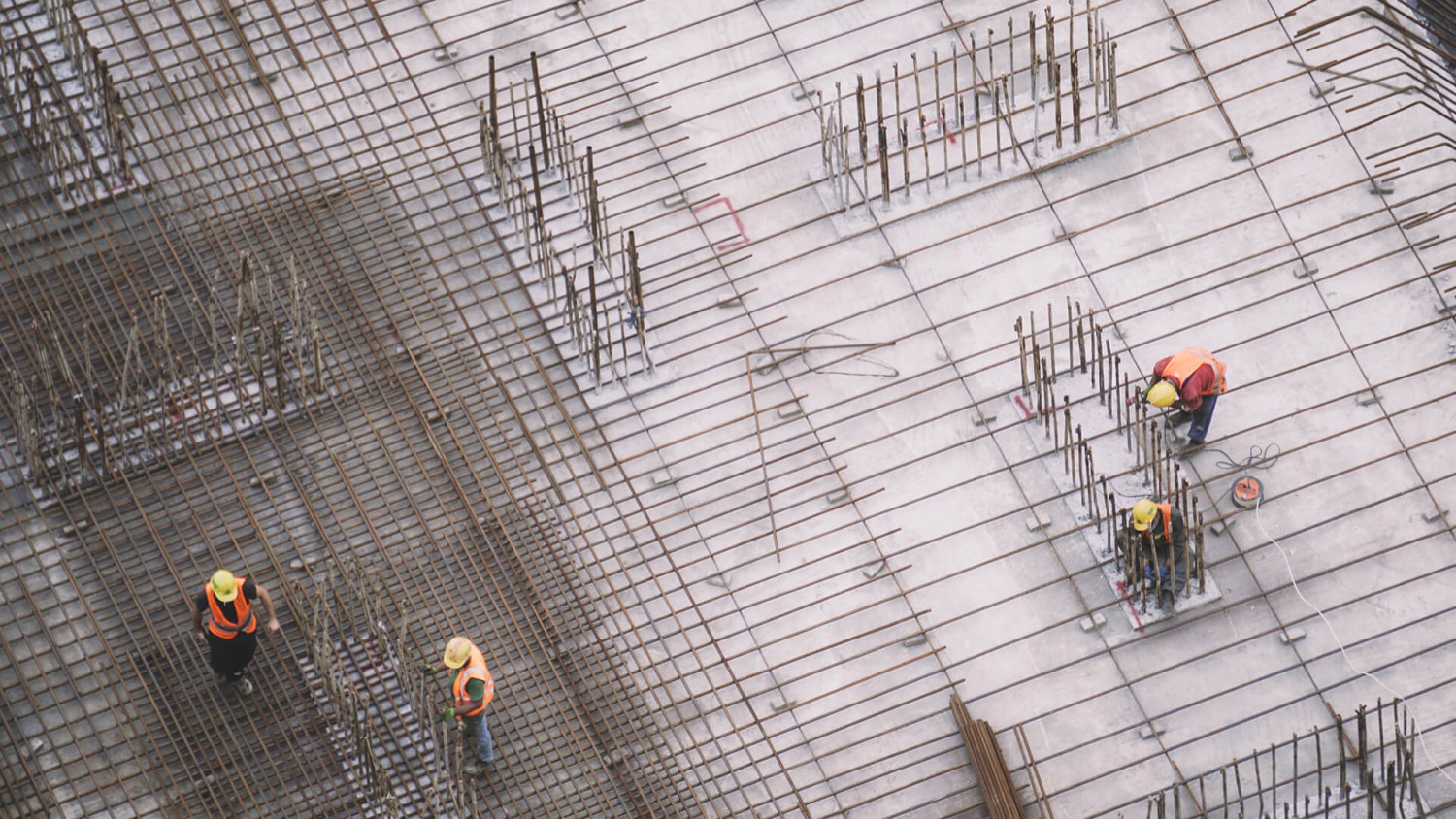
In architecture, design decisions shape costs, sustainability, and a building’s long-term performance. AI makes it possible to analyze complex project data quickly, connect information across disciplines, and test critical scenarios, helping teams make better, more confident decisions from the earliest stages of a project.
2.0
Challenges we address
When project information, workflows, and responsibilities are clearly structured, teams collaborate more effectively, risks decrease, and design decisions can be made faster and with greater certainty.
2.1
Complex project data and documentation
Drawings, technical studies, regulations, specifications, and multiple design revisions quickly become difficult to manage. We organize and connect this information, keep versions aligned, and surface the data teams need, when they need it, for coordination and design.
2.2
Time lost on repetitive work
Updating documentation, checking compliance, producing standard drawings, and coordinating across disciplines takes up valuable time. Automation reduces operational overhead and allows teams to focus on design quality and high-impact decisions.
2.3
High-impact decisions with real risk
Construction methods, cost assumptions, energy performance, and sustainability choices all carry long-term consequences. AI-assisted analysis and scenario simulations reduce uncertainty and support better decision-making at critical moments in the project lifecycle.
3.0
What this means for your business
By automating routine tasks and accelerating analysis, architecture firms and project teams can deliver more, and more consistently, without increasing effort or costs at the same rate.
-37%
less time spent on repetitive tasks
+26%
faster analysis and decision-making during design phases
-28%
fewer coordination errors and operational bottlenecks
4.0
Our approach
Effective AI implementation in architecture requires both the right technology and a clear delivery framework. Our solutions are built around three core areas.
-
AI decision support
We start by understanding how you work today: your design workflows, tools, dependencies, and constraints. We identify friction points that affect speed and quality, define a clear performance baseline, and use AI to support decisions around design options, costs, and overall project performance.
-
Design workflow optimization
We automate documentation generation, regulatory checks, interdisciplinary coordination, and model updates. The result is greater consistency, fewer errors, and faster project delivery.
-
AI design & analysis
Using advanced analysis and simulation models, we evaluate design alternatives, energy performance, daylighting, material usage, and environmental impact, supporting more sustainable, efficient, and context-aware design choices.
5.0
How we implement
AI adoption in architecture follows a structured, controlled process tailored to each project’s context and maturity level.
5.1
Audit & mapping (context + baseline)
We review existing processes, available data, current tools, and critical pain points. This allows us to identify optimization opportunities and establish a solid foundation for the next steps.
5.2
Architecture design & scalability
We design a modular digital architecture built to scale—supporting performance, interoperability, data management, and seamless integration with existing design workflows.
5.3
QA & real-world validation
Solutions are tested against real project scenarios and large data sets to ensure accuracy, reliability, and meaningful output quality.
6.0
Why it matters
The real value of AI isn’t the technology itself, it’s how it changes the way projects are designed, coordinated, and delivered.
Reduced operational workload
by automating documentation, checks, and repetitive updates, without sacrificing design quality
Greater consistency
across teams, disciplines, and project versions
Faster, more confident decisions
in complex situations, supported by early-stage scenario, cost, and performance analysis
Lower risk of error
through automated compliance checks and early detection of inconsistencies
Higher quality project outcomes
driven by better clarity, predictability, and control over design decisions
Scalable systems
that grow with your project volume and complexity