1.0
Introduction
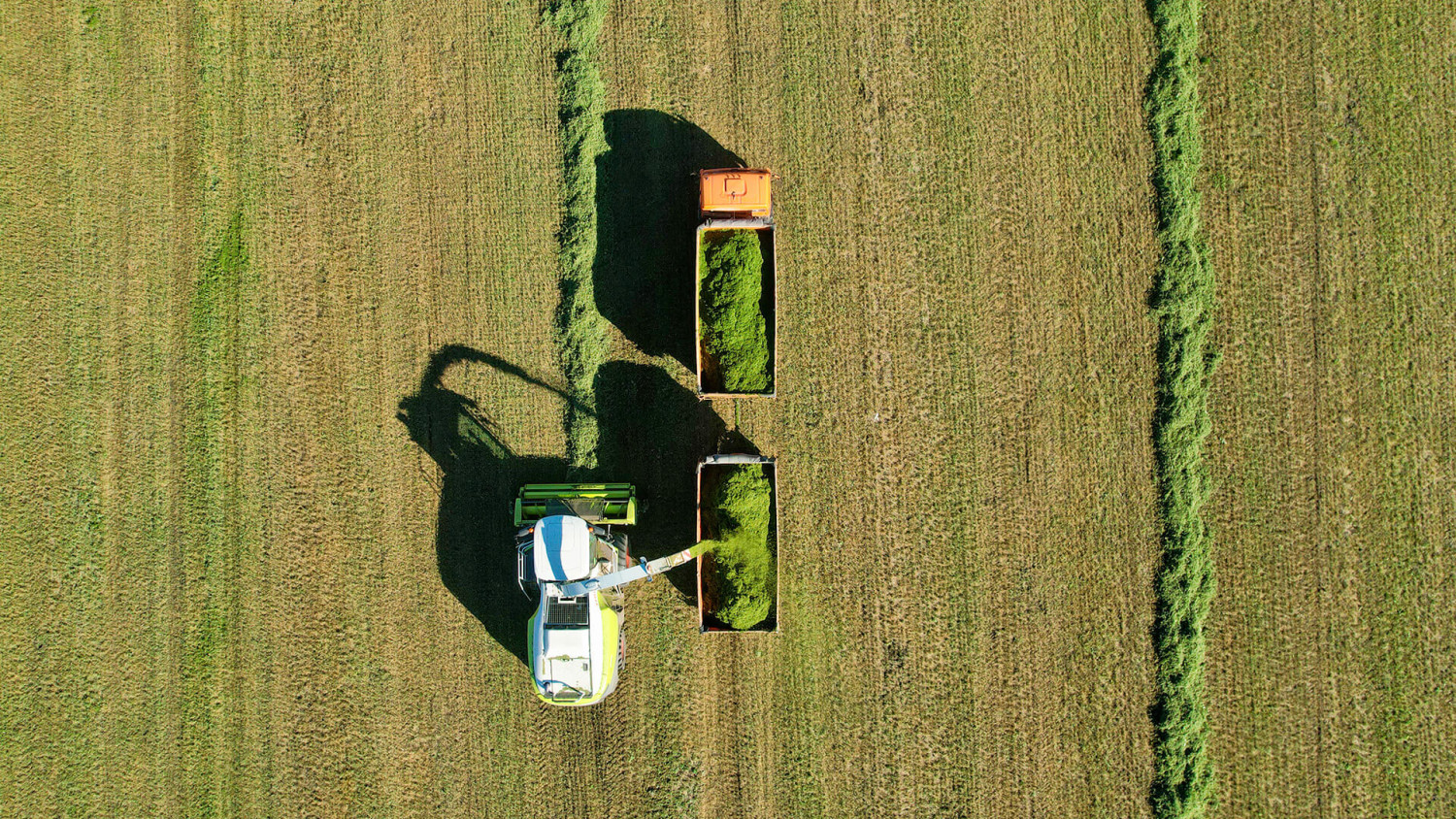
Modern agriculture operates within a delicate balance of limited resources, unpredictable conditions, and constant efficiency demands.
When field data, processes, and decisions are aligned, agricultural operations become more predictable, controllable, and sustainable.
We apply artificial intelligence to turn agricultural data into clear actions, optimizing yield, reducing waste, and enabling informed, real-time decisions.
When field data, processes, and decisions are aligned, agricultural operations become more predictable, controllable, and sustainable.
We apply artificial intelligence to turn agricultural data into clear actions, optimizing yield, reducing waste, and enabling informed, real-time decisions.
2.0
Challenges we address
Success in agriculture depends on timely decisions backed by accurate information. When field data, workflows, and responsibilities are aligned, operations become more predictable, resources are used more efficiently, and the entire process, from planning to harvest, is easier to manage and control.
2.1
Disconnected data from multiple sources
Weather data, IoT sensors, satellite imagery, soil history, and past yields create large, fragmented data sets that are difficult to connect manually. AI brings these sources together, structures the information, and surfaces the insights needed for day-to-day operational decisions.
2.2
Time lost on manual, repetitive work
Field monitoring, irrigation planning, fertilization schedules, reporting, and yield estimates often rely on manual processes. This slows teams down and increases the risk of delays. Automation reduces operational workload and enables faster, data-based interventions in the field.
2.3
High risk and uncertainty in decision-making
Climate variability, crop diseases, and unpredictable yields make planning increasingly complex. AI-driven predictive models help anticipate risks and support better strategies for cultivation, treatment, and harvesting.
3.0
What this means for your business
By automating routine tasks, improving visibility, and reducing manual work, agricultural organizations can increase efficiency and control without scaling resources at the same pace.
-33%
less time spent on repetitive tasks
+28%
faster interpretation of field data and on-site intervention
-22%
fewer operational bottlenecks
4.0
Our approach
Effective AI implementation in agriculture requires robust technology and a clear, practical delivery model. Our solutions are built around three core areas.
-
AI decision support
We start by understanding how your operation works today: crop types, processes, data sources, and digital infrastructure. We define a clear performance and sustainability baseline, then use AI to support decisions around irrigation, fertilization, treatments, and yield forecasting.
-
Agricultural workflow optimization
We automate planning and monitoring activities such as task scheduling, resource allocation, production reporting, and cost tracking. Optimized workflows reduce losses, improve efficiency, and give you better control over field operations.
-
AI vision & predictive analytics
Using imagery and AI models, we assess crop health, water stress, disease, and pest activity. Predictive analytics delivers early yield estimates and proactive recommendations to help maximize production.
5.0
How we implement
Implementation is gradual and tailored to the type of agricultural operation and its level of digital maturity.
5.1
Audit & mapping (context + baseline)
We review existing processes, available data, system integrations, and critical pain points. This creates a clear foundation for optimization and future improvements.
5.2
Architecture design & scalability
We design a modular, scalable system that supports performance, data integration, and the expansion of digital capabilities as your operation grows.
5.3
QA & real-world validation
Solutions are tested using real operational scenarios and large data sets to ensure accuracy, consistency, and practical value in the field.
6.0
Why it matters
The value of AI in agriculture lies in its real-world impact on productivity, predictability, and operational control.
Reduced operational workload
without compromising the quality of field interventions
Greater consistency
across teams, farms, and locations
Faster decision-making
in complex and changing conditions
Fewer errors
through automated alerts and intelligent checks
Better experience for partners and clients
through improved predictability, delivery, and planning
Systems that scale smoothly
as operations expand and diversify